
Is TSH the only lab that matters—or should I be testing more?
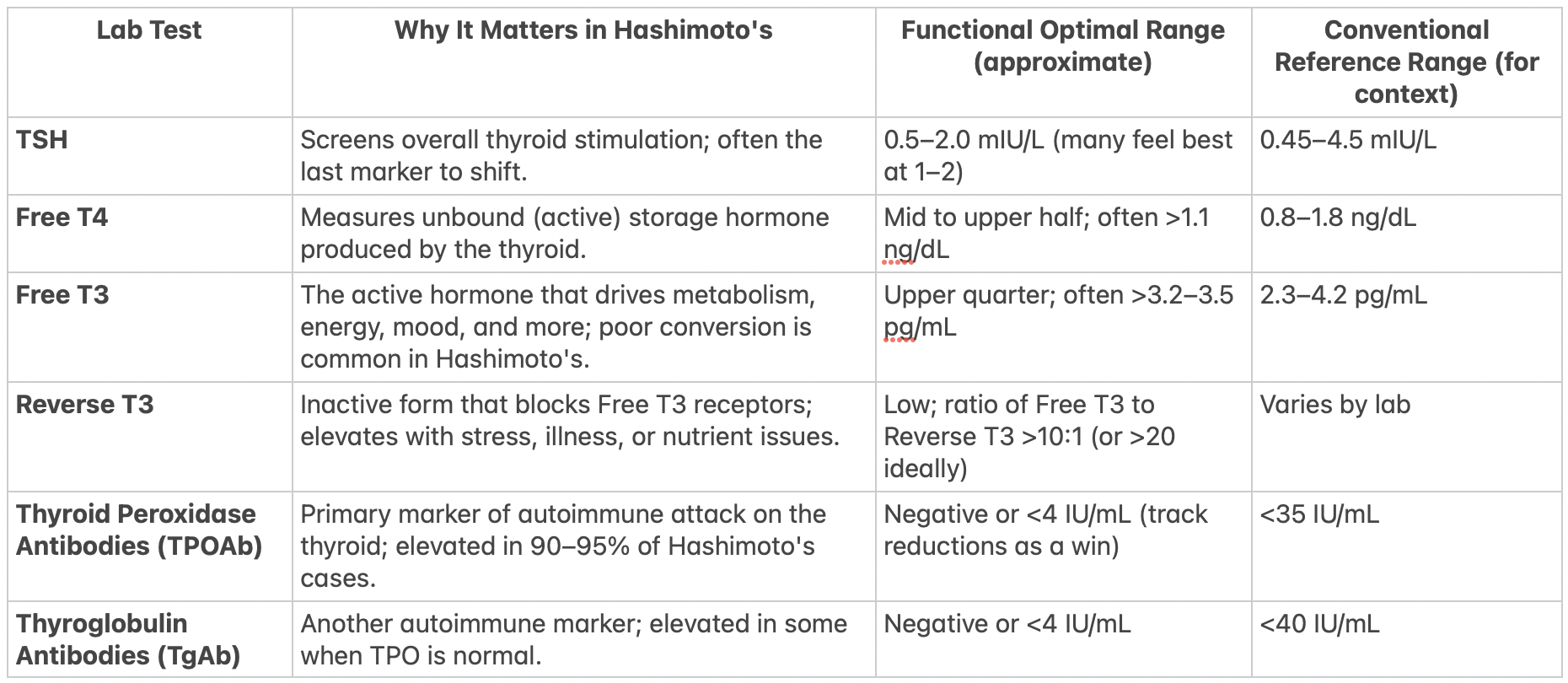
TSH is not the only lab that matters for women with Hashimoto's thyroiditis—and in functional medicine, relying solely on it is one of the biggest oversights in conventional medicine. Many women feel persistently fatigued, brain-foggy, cold, or struggle with weight and mood issues despite "normal" TSH results. As I’ve said before functional medicine looks at the full picture: thyroid hormone production, conversion to T4 to T3, autoimmunity, nutrient status, inflammation, and root causes like gut health, stress, and toxins. It’s all about root cause health- the WHY.
Why TSH Alone Falls Short
TSH (Thyroid Stimulating Hormone) measures how hard your pituitary gland works to stimulate the thyroid. The pituitary sends thyroid stimulating hormone to the thyroid to tell it to make thyroxine or T4.
Conventional medicine uses it as usually the only marker, with "normal" ranges of 0.45–4.5 mIU/L. If TSH is high, doctors prescribe levothyroxine; if normal, they say you're fine. You know if your TSH is within the conventional lab ranges and they say you are fine but you don’t feel fine you are sent away. Women with thyroid problems are often written off as complainers, or they just need to exercise more, or you need an anti-depressant. I’m sure many of you know the drill. I’ve been there too.
In functional medicine, relying solely on TSH is not the best marker to judge your thyroid function by because Hashimoto's thyroiditis is a progressive autoimmune condition where thyroid damage often begins long before TSH becomes abnormal. Even for someone who doesn’t have hashimoto’s and has just hypothyroidism, TSH is not the only or best marker to measure thyroid health. TSH plus Free T4 and Free T3 at a minimum should be measured by each and every doctor you see.
Hashimoto's involves the immune system producing antibodies (primarily TPOAb and TgAb) that attack thyroid tissue, leading to chronic inflammation and gradual destruction of thyroid follicular cells via cell-mediated and antibody-mediated mechanisms.
What exactly does this mean? This is the hard part- I’ve always been told that people don’t want to know the science. I was never like that even before I got my masters in nutrition. I wanted to know what was going on in my body because it helped me make informed decisions about my health, my diet, and my lifestyle. You can skip over this if you want but I feel like if you know what is going in in your body, it might help you understand why you feel the way you do.
Antibody mediated means that a type of white blood cell called a B cell makes TPO antibodies and thyroglobulin antibodies. The antibodies go around in your blood and bind to thyroid proteins. When they bind to those proteins it triggers damage to your thyroid gland in a couple of ways.
It activates a system in within your immune system called complement which is a group of proteins that poke holes in cell membranes, kind of like drilling into thyroid cells. They flag the cells for destruction - for other immune cells called natural killer cells to come in and kill the cells. This process keeps your thyroid from functioning by blocking thyroid peroxidase enzymes. These are the ones that that help T4 and T3 exist. This is why high antibody levels indicate you have hashimoto’s. These things are a sign of the attack and part of the weaponry of the autoimmune process.
Cell Mediated is about the immune attacks carried out by the immune cells themselves rather than the antibodies. It is kind of like hands on destruction. These immune cells, called T cells physically interact with and kill cells targeted for destruction. This is a major player in Hashimoto’s. These immune cells attack thyroid cells and the tissue within the thyroid gland becomes infiltrated with white blood cells out for destruction. This causes inflammation in the thyroid gland, scarring of tissue (this is when an ultrasound comes in handy).
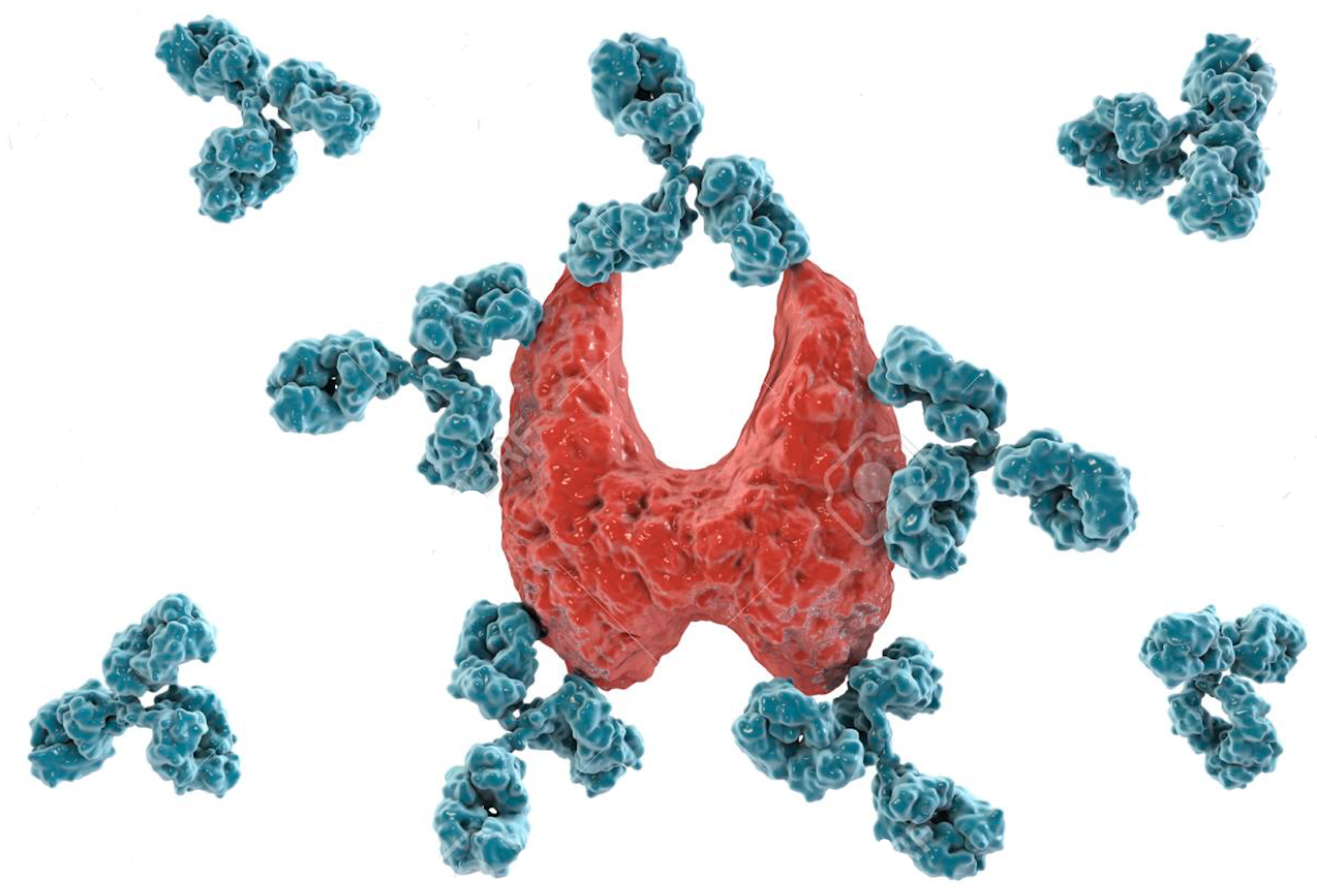
These two processes work together to destroy your thyroid tissue which also can destroy your health, your joy, your energy, your everything. The attack happens gradually and progresses slowly- you can have significant damage before you have symptoms like fatigue, weight gain, etc become so obvious that you know something is wrong.
This process can unfold in stages:
Early stages: Genetic predisposition plus triggers like stress, infections, or toxins lead to elevated antibodies with normal TSH, Free T4, and Free T3—you may already feel symptoms like fatigue or brain fog.
Progressive inflammation: Thyroid becomes leaky or inefficient, but the pituitary gland still compensates by showing normal TSH output.
Later stages: As thyroid tissue is destroyed, hormone production drops, Free T4/T3 decline, and TSH finally rises (often considered "overt" hypothyroidism when TSH >10 mIU/L with low Free T4).
By the time TSH is elevated, significant thyroid damage (up to 90% loss of function in some cases) may have occurred. Functional medicine emphasizes catching and addressing the autoimmune process early, when interventions can potentially slow or halt progression, rather than waiting for TSH to flag overt disease.
Why TSH Doesn't Reveal T4 to T3 Conversion Issues
The thyroid produces mostly T4 (about 93%), an inactive "storage" hormone that must be converted peripherally (mainly in the liver, gut, and kidneys) to active T3 via enzymes called deiodinases. This conversion is crucial because T3 is what binds to receptors and drives metabolism, energy, mood, and virtually every cell function.
In Hashimoto's (and hypothyroidism generally), conversion is often impaired due to:
Inflammation inhibiting deiodinase activity.
Nutrient deficiencies.
Stress or illness shifting conversion toward inactive Reverse T3.
TSH only reflects pituitary signaling based on circulating T4/T3 levels—it doesn't measure how effectively T4 is activated to T3 or if T3 is reaching tissues.
Many women with Hashimoto's have "normal" TSH and Free T4 but low Free T3, leading to persistent hypothyroid symptoms despite treatment. Studies show selenium and zinc are essential cofactors for deiodinases; deficiencies reduce T4-to-T3 conversion, and supplementation can improve it
What High Reverse T3 Means
Reverse T3 (rT3) is an inactive molecule of T3 produced from T4 under stress, inflammation, illness, fasting, or nutrient deficits. It binds to T3 receptors but does nothing—essentially blocking active T3 from working, like putting the wrong key in a lock. This is an adaptive "energy conservation" mode (seen in "non-thyroidal illness syndrome" or "euthyroid sick syndrome").
Elevated rT3 is common in chronic stress, infections, or inflammation—prevalent in Hashimoto's. TSH remains normal because total hormone levels aren't critically low, but cellular thyroid action is impaired, causing hypothyroid-like symptoms. Functional medicine tests rT3 and the Free T3:rT3 ratio (>10–20 ideally) to uncover this hidden issue.
Thyroid Ultrasound: What It Entails and Why It's Recommended
A thyroid ultrasound can visualize the gland's size, texture, blood flow, and any nodules. In Hashimoto's, classic findings include:
Diffuse enlargement (goiter) or atrophy.
Uneven or patchy looking thyroid tissue due to infiltration of white blood cells damaging tissue.
Increased vascularity (inflammation).
Pseudonodules (lumpy appearance from inflammation, not true nodules).
It's recommended at least once (or if symptoms/neck issues) because it confirms autoimmune inflammation even when labs are borderline, rules out nodules/cancer risk, and tracks progression. I’ve never had any practitioner or doctor recommend an ultrasound. I do think it is a good idea.
Why Total T3/T4 Are Less Useful Than Free T3/4
Most thyroid hormones circulate bound to proteins (e.g., TBG). Total T3/T4 measure bound + unbound, while Free T3/T4 measure only the unbound, biologically active fraction available to tissues.
Total T4/T3 can fluctuate misleadingly due to pregnancy, estrogen (birth control), liver issues, or inflammation altering binding proteins—without reflecting true thyroid status. Free levels are more reliable for assessing function, especially in complex cases like Hashimoto's.
Nutrient Deficiencies Critical for Thyroid Function and Immunity
Hashimoto's increases nutrient needs while impairing absorption (due to inflammation/gut issues). Key ones:
Selenium — Supports T4-to-T3 conversion, reduces oxidative stress, and lowers TPO antibodies. Multiple RCTs show 200 mcg/day reduces antibodies by 20–50% in 6–12 months.
Vitamin D — Modulates immunity; low levels correlate with higher antibodies and autoimmunity risk. Supplementation often improves outcomes.
Ferritin (iron storage) — Needed for thyroid peroxidase enzyme (makes hormones). Low ferritin (<70–90 ng/mL) common, causes hair loss/fatigue independent of anemia.
Vitamin B12 — Up to 40% deficient; causes fatigue, neuropathy mimicking hypothyroidism.
Others: Zinc (conversion), iron (synthesis).
Adrenals, Stress, and Blood Sugar in Hashimoto's
Chronic stress is a well-documented trigger for Hashimoto's onset/flares via HPA axis dysregulation, immune shifts toward Th1/Th17 responses, and increased inflammation/oxidative stress. The exact "90%" figure for adrenal dysfunction appears more in clinical cases rather than large peer-reviewed studies—research shows frequent HPA alterations but variable prevalence.
In chronic stress, cortisol patterns (via 4-point saliva/urine) often show:
Early: High overall cortisol.
Prolonged: Flattened curve—low morning (no wake-up surge), high evening (trouble sleeping), or overall low ("adrenal fatigue" pattern).
Blood sugar instability ties to adrenals because cortisol/glucagon raise glucose during stress; unstable sugar (highs/crashes from poor diet) repeatedly activates adrenals, worsening HPA fatigue. This exacerbates both adrenal (anxiety, crashes) and thyroid symptoms (fatigue, conversion blocks via high rT3) by increasing inflammation.
Leaky Gut, Infections, and Molecular Mimicry
Leaky gut (increased intestinal permeability) allows undigested food particles, bacteria, or toxins into bloodstream, triggering systemic immune activation.
In Hashimoto's, this can initiate/maintain autoimmunity via molecular mimicry—where foreign proteins (e.g., gluten's gliadin, bacterial peptides from Yersinia/EBV/H. pylori) structurally resemble thyroid tissue (e.g., thyroglobulin or peroxidase).
The immune attack on the mimic cross-reacts with thyroid, perpetuating antibodies/inflammation.
How General Inflammation Affects Thyroid Health
Chronic low-grade inflammation (from diet, stress, gut issues) promotes autoimmunity by activating immune cells, increasing cytokines that damage thyroid tissue and impair hormone synthesis/conversion.
High-sensitivity C-reactive protein (hs-CRP) and erythrocyte sedimentation rate (ESR) are two common blood tests used to detect and monitor systemic inflammation in the body. They're non-specific—meaning they don't pinpoint the exact source of inflammation—but they're valuable for assessing overall inflammatory status.
hs-CRP: This is a protein produced by the liver in response to inflammatory signals, primarily interleukin-6 (IL-6) and other cytokines released during immune activation. The "high-sensitivity" version detects very low levels of inflammation (below 10 mg/L), making it useful for chronic, low-grade issues rather than acute infections. Levels are categorized roughly as:
Low risk: <1 mg/L
Average: 1–3 mg/L
High: >3 mg/L (with >10 mg/L often indicating acute inflammation)
In functional medicine, hs-CRP is favored because it's more sensitive and responsive to subtle changes.
ESR: This older test measures how quickly red blood cells (erythrocytes) settle at the bottom of a test tube over an hour (reported in mm/hr). Inflammation causes proteins like fibrinogen to clump red cells together, making them settle faster. Normal ranges are roughly 0–20 mm/hr for women (higher with age). It's less specific and can be influenced by anemia, pregnancy, or other factors.
Both rise in response to inflammation from infections, autoimmunity, injury, obesity, or chronic conditions—but hs-CRP tends to rise and fall more quickly, while ESR is slower.
Their Role in Thyroid Dysfunction, Especially Hashimoto's
In Hashimoto's thyroiditis and hypothyroidism, there's often a bidirectional relationship with inflammation: The autoimmune process creates inflammation, which damages the thyroid, and thyroid dysfunction can itself promote systemic inflammation (e.g., through altered lipid metabolism or oxidative stress).
Elevated hs-CRP in Hashimoto's/Hypothyroidism:
Multiple studies show that patients with autoimmune hypothyroidism (including Hashimoto's) have significantly higher hs-CRP levels compared to healthy controls, even in subclinical cases. This reflects low-grade systemic inflammation driven by the autoimmune attack (cytokines like IL-6 and TNF-α stimulating CRP production). Higher hs-CRP is also linked to increased cardiovascular risk in these patients, as inflammation promotes atherosclerosis.
Interestingly, treating with levothyroxine often lowers hs-CRP, suggesting that restoring thyroid function reduces inflammation. However, if hs-CRP remains high despite "normal" TSH, it may point to ongoing root causes like gut issues or other inflammatory triggers.ESR in Hashimoto's/Hypothyroidism:
ESR is typically normal or only mildly elevated in chronic Hashimoto's, unlike in painful subacute thyroiditis (where it's often markedly high, >50–100 mm/hr). Some studies show slight elevations in hypothyroid groups overall, but it's not as reliable or sensitive as hs-CRP for monitoring Hashimoto’s.
How Systemic Inflammation Impacts Thyroid Function
Inflammation doesn't just reflect thyroid problems—it actively worsens them through several mechanisms:
Impaired Hormone Conversion: Inflammatory cytokines (e.g., IL-6, TNF-α) inhibit deiodinase enzymes, reducing conversion of T4 to active T3 and increasing inactive Reverse T3. This contributes to persistent symptoms despite treatment.
Perpetuating Autoimmunity: Chronic inflammation (from any source—gut dysbiosis, food sensitivities, stress) upregulates immune responses, potentially increasing antibody production (TPOAb/TgAb) and thyroid tissue damage.
Direct Thyroid Effects: Severe inflammation can temporarily suppress TSH or cause "non-thyroidal illness syndrome," but in autoimmune cases, it sustains the cycle of destruction.
From a functional medicine perspective, elevated hs-CRP (even mildly, like 1–3 mg/L) or ESR signals broader inflammatory burdens that could be fueling Hashimoto's flares or preventing remission.
Practitioners use these to guide interventions: anti-inflammatory diets (e.g., removing gluten/dairy), gut healing, or addressing infections/toxins. Lowering inflammation often correlates with better thyroid function, reduced antibodies, and improved symptoms.
These markers aren't diagnostic for Hashimoto's alone (antibodies and thyroid hormones are key), but tracking them provides insight into progress beyond TSH. Always interpret in context—work with a practitioner, as levels can fluctuate.
Toxins and Thyroid/Autoimmunity
Environmental toxins act as endocrine disruptors:
Heavy metals (mercury, lead) compete with minerals, increase oxidative stress.
BPA/plastics, pesticides interfere with hormone binding/receptors.
Mold mycotoxins suppress immunity and trigger inflammation.
These can mimic/trigger autoimmunity or directly impair thyroid function.
The Power of Colostrum: Nature’s Immune-Boosting Superfood
Colostrum, the first milk produced by mammals after birth, is a nutritional powerhouse that offers remarkable benefits for gut health and immune system balance. Often referred to as "liquid gold," this nutrient-dense substance is packed with antibodies, growth factors, and bioactive peptides that work together to support overall health. Whether you're looking to strengthen your immune system or address digestive issues, colostrum could be a game-changer.
What Makes Colostrum Special?
Colostrum is unique because its composition is identical across all mammals. The immune-supporting peptides in bovine colostrum, for instance, are the same as those found in humans, goats, or other mammals. This universal compatibility means bovine colostrum, the most abundant and accessible source, can benefit humans just as effectively. Unlike regular milk, colostrum contains higher levels of vitamins, minerals, and immune factors, making it a complete and potent superfood.
Key Components of Colostrum
Antibodies (Immunoglobulins): Approximately 20-25% of colostrum’s solid content consists of antibodies like IgG, IgA, IgE, and IgD. These proteins play a critical role in fighting harmful pathogens in the gut, particularly in newborns. For adults, they help restore balance to the gut microbiome, which is often skewed toward 80% harmful bacteria in those following a typical Western diet.
Lactoferrin: This powerful protein has antimicrobial and antiviral properties, supporting the body’s defense against infections. It also helps regulate the immune system for optimal function.
Growth Factors: Colostrum contains growth factors that repair the gut lining, addressing issues like leaky gut, which is linked to up to 80% of chronic diseases, including allergies and autoimmune conditions.
Proline-Rich Polypeptides (PRPs): These peptides are the stars of colostrum’s immune-modulating effects. They help normalize cytokine production, balancing the immune system to prevent overreactions that lead to allergies or autoimmune disorders.
Healing the Gut: The Foundation of Health
A healthy gut is the cornerstone of overall wellness. Leaky gut, where the intestinal lining becomes permeable, allows pathogens, toxins, and undigested food to enter the bloodstream, triggering inflammation and immune imbalances. Research, including thousands of studies on PubMed, shows that colostrum can repair this damage by strengthening the gut lining and reducing permeability. This is critical for preventing conditions like food allergies, autoimmune diseases, and even neurological disorders such as Alzheimer’s and autism, which recent studies suggest are gut-related.
Taking 5-10 grams of colostrum powder daily for six weeks, combined with a peptide spray, can significantly improve gut health. In studies with rats, colostrum repaired gut damage within this timeframe, and human users often report normalized digestion and reduced symptoms of immune-related conditions.
Immune Balancing vs. Immune Boosting
One of the most profound benefits of colostrum is its ability to balance, rather than simply boost, the immune system. Boosting an already overactive immune system, as seen in autoimmune diseases or allergies, can worsen symptoms. Colostrum’s PRPs regulate cytokine production, ensuring the immune system responds appropriately without overreacting. This balance is key to reducing inflammation and preventing the cascade of issues caused by immune dysregulation.
Addressing Dairy Concerns
Some may worry about dairy sensitivities when considering colostrum, as it’s derived from cow’s milk. However, colostrum’s unique composition, particularly its PRPs, can downregulate allergic responses (Th2-driven reactions) by normalizing cytokine production. In practice, only about 5% of users experience mild reactions, often due to a detox effect. Reducing the dose temporarily and ensuring adequate hydration can resolve this, allowing most people to benefit from colostrum without issue.
Practical Tips for Using Colostrum
Dosage: Start with 5-10 grams of colostrum powder daily, ideally for six weeks, to support gut healing. Pair with a PRP spray for enhanced immune modulation.
Quality Matters: Choose high-quality, first-milking colostrum to ensure maximum peptide content. Minimal processing preserves its bioactive components. NuMedica ImmunoG PRP™ Capsulesnfrom my dispensary https://us.fullscript.com/welcome/hfh is a good choice.
Safety: Reputable producers test for antibiotics and avoid bovine growth hormones, ensuring a clean product.
The Bigger Picture
Colostrum isn’t just a supplement; it’s a natural tool that mammals have relied on for millions of years to kickstart immunity and digestion. By turning on key genes in the gut and brain, colostrum supports not just physical health but also mental clarity and emotional well-being. From reducing the risk of chronic diseases to improving digestion and calming inflammation, colostrum plays the “entire symphony” of health, unlike single-note solutions like vitamin D or fish oil.
If you’re ready to take control of your health, consider incorporating colostrum into your routine. It’s a small step with the potential for transformative results. Always consult with a healthcare professional before starting any new supplement, especially if you have pre-existing conditions or sensitivities.
Uncovering the Root Causes of Leaky Gut: Your Path to Healing Hashimoto’s
Hey, Hashimoto’s warrior! If you’re feeling stuck with fatigue, brain fog, weight gain, or mood swings, you’re not alone. As a licensed functional medicine nutritionist and certified nutrition specialist, I’ve helped countless women like you at Out of the Woods Nutrition break free from the grip of autoimmune thyroiditis to live vibrant, fulfilling lives. If you’ve been following my work, you know I’m all about getting to the root of your symptoms, and one big player is leaky gut. In my last post, we talked about how a leaky gut can sabotage your thyroid, but today, we’re diving deeper: what causesleaky gut, and why do your symptoms keep coming back even when you’re eating clean and managing stress? Let’s uncover the hidden triggers fueling your Hashimoto’s and map out a plan to heal your gut for good. Ready to reclaim your energy? Let’s do this!
Why Leaky Gut Keeps You Stuck
Leaky gut happens when your gut’s lining—those tightly packed cells acting like a gatekeeper—gets too permeable, letting undigested food, toxins, and bacteria slip into your bloodstream. This sparks inflammation, confuses your immune system, and can worsen Hashimoto’s by triggering attacks on your thyroid. You might not have digestive issues, but leaky gut could still be behind your fatigue, joint pain, or anxiety. The problem? Even if you’re eating a nutrient-dense, gluten-free diet and taking gut-healing supplements, your symptoms might persist or return if you don’t address the root causesof leaky gut.
Think of your gut like a fire pit. Some things pour gasoline on the fire, making it rage (like poor diet or stress). Others are smoldering embers, keeping the fire alive even when you’ve stopped adding fuel (like infections or toxins). And then there’s the lack of “water”—nutrients and hormones—to put the fire out completely. To heal leaky gut and ease Hashimoto’s, you need to tackle all three: stop the gasoline, extinguish the embers, and pour on the water. Let’s break it down.
Gasoline: Triggers That Fuel the Fire
Certain habits and exposures keep your gut inflamed, like pouring gasoline on a fire. These are often within your control, but they require attention to stop the damage.
1. Inflammatory Foods
Your diet can either heal or harm your gut. Foods like gluten, processed sugars, and industrial seed oils (think canola or soy oil) are major culprits. Gluten is especially bad for Hashimoto’s, as it mimics thyroid tissue, triggering autoimmune attacks. But it’s not just about “bad” foods—any food your body can’t digest properly can poke holes in your gut lining. For example, even “healthy” foods like nightshades (tomatoes, eggplants) or lectins (in beans) might be inflammatory for you. Everyone’s gut is unique, so you need a personalized approach.
Action Step: Go 100% gluten-free and eliminate processed foods. Keep a food journal to track how foods affect you, reintroducing them one by one to find your triggers. Work with a practitioner to create a custom diet that nourishes without inflaming.
2. Chronic Stress
Stress is a silent gut-wrecker. Physical stress (like over-exercising or injuries), emotional stress (toxic relationships or past trauma), and even perceived stress (how you react to daily challenges) raise cortisol, which weakens your gut’s tight junctions. For example, rushing through traffic might spike your inflammation, while someone else stays calm. In Hashimoto’s, stress also strains your adrenals, making thyroid symptoms worse.
Action Step: Incorporate 10 minutes of deep breathing, meditation, or gentle yoga daily. Reflect on emotional stressors—maybe a toxic coworker or unresolved trauma—and set boundaries or seek therapy to process them. Notice what stresses you and build resilience over time.
3. Medications
Certain medications damage your gut lining, acting like gasoline. Nonsteroidal anti-inflammatory drugs (NSAIDs) like ibuprofen can cause leaky gut after just a few days. Antibiotics, while sometimes necessary, wipe out good gut bacteria, leading to dysbiosis. Proton pump inhibitors (PPIs) for acid reflux reduce stomach acid, impairing digestion and stressing your gut. Even fillers in medications or supplements—like gluten or lactose—can trigger inflammation in sensitive people.
Action Step: Use medications sparingly and only when necessary. Check with your doctor about alternatives to NSAIDs or PPIs. If you’re on long-term meds, ask about gluten-free or custom-compounded options to avoid inflammatory fillers.
Smoldering Embers: Hidden Hotspots
Even if you stop pouring gasoline, smoldering embers can keep your gut leaky. These deeper issues often require targeted testing and treatment to fully extinguish.
1. Gut Infections
Gut infections are one of the top reasons leaky gut persists. Parasites, bacterial overgrowth (like SIBO), or yeast (like Candida) can hide in your gut, keeping inflammation high. If you have Hashimoto’s, fatigue, weight gain, or mood issues, a gut infection could be the culprit. Diet and supplements help, but they rarely kill these infections outright—you need specific protocols.
Action Step: Work with a functional medicine practitioner to test for infections using comprehensive stool tests. If you’re at high risk (e.g., chronic bloating or a history of food poisoning), consider a targeted antimicrobial protocol. Don’t guess—test!
2. Systemic Infections
Whole-body infections, like Epstein-Barr virus (EBV) or Lyme disease, can also drive leaky gut. These infections keep your immune system on high alert, weakening your gut barrier. If your symptoms started after a tick bite or a viral illness, this could be a clue.
Action Step: If you suspect a systemic infection, seek a practitioner specializing in chronic infections. Comprehensive blood tests can identify EBV or Lyme. Treatment might include antivirals or herbal protocols, but it needs to be tailored to you.
3. Heavy Metal Toxicity
Toxins like mercury (from amalgam fillings) or lead (from environmental exposure) can inflame your gut and body. If you’ve worked in industries with chemical exposure or have multiple fillings, you’re at higher risk. These toxins fuel oxidative stress, making it hard to heal leaky gut.
Action Step: Test for heavy metals with a practitioner using urine or hair analysis. Support detox with nutrient-dense foods, glutathione-boosting supplements (like NAC), and a dentist experienced in safe amalgam removal if needed. Go slow to avoid overwhelm.
4. Mold Toxicity
About 25% of people have genes that make them hypersensitive to mold. If you live or work in a moldy environment (think black mold in a damp basement), it can keep your gut inflamed. Symptoms like fatigue or brain fog that improve when you leave home could point to mold.
Action Step: Test your home for mold with an environmental specialist. If you suspect mold toxicity, spend a week staying elsewhere to see if symptoms improve. Work with a practitioner to support detox with binders and anti-inflammatory supplements.
5. Chronic Inflammation and Oxidative Stress
When inflammation runs wild for too long, it causes oxidative stress, damaging cells and mitochondria (your energy powerhouses). This can persist even after you’ve cleaned up your diet, making Hashimoto’s symptoms linger. It’s like a fire that’s died down but still smolders, ready to flare up.
Action Step: Commit to an anti-inflammatory lifestyle for at least 6-12 months. Keep eating nutrient-dense foods, managing stress, and taking targeted supplements (like omega-3s or curcumin) to calm oxidative stress. Regular testing can track progress.
Water: Putting Out the Fire
To fully heal leaky gut, you need “water” to douse the flames—nutrients and hormones that restore balance and rebuild your gut.
1. Hormone Balance
Hormones like cortisol, thyroid hormones, and sex hormones (estrogen, progesterone) are critical for gut health. In Hashimoto’s, adrenal or sex hormone imbalances can keep inflammation high, making it hard to heal. For example, high cortisol from stress weakens your gut lining, while low thyroid hormones slow gut repair.
Action Step: Test your hormones with a functional medicine practitioner using saliva or blood tests. Support adrenals with adaptogens (like holy basil) and thyroid function with nutrients like selenium and zinc, under guidance.
2. Nutrient-Dense Diet
A diet rich in gut-healing nutrients is your fire hose. Focus on:
Organ Meats: Liver (1-2 oz/week) is packed with B vitamins and zinc.
Bone Broth: Collagen and glutamine repair the gut lining.
Grass-Fed Meats: Provide protein and omega-3s for immune balance.
Organic Veggies and Fruits: Deliver fiber and antioxidants to reduce inflammation. Avoid processed foods, which starve your gut of nutrients and feed bad bacteria.
Action Step: Aim for 80-90% nutrient-dense foods. Batch-cook bone broth or liver pate for easy meals. Check in monthly to ensure your diet stays high-quality.
3. Targeted Supplements
Supplements can supercharge gut healing, but they need to be personalized. Common ones include:
Probiotics: Restore microbiome balance.
L-Glutamine: Repairs the gut lining.
Omega-3s: Reduce inflammation (1-2 tsp cod liver oil daily).
Glutathione or NAC: Combat oxidative stress.
Action Step: Work with a practitioner to choose supplements based on testing. Avoid generic protocols, as your needs are unique.
Avoiding the Google Death Spiral
I know this sounds like a lot—gut infections, toxins, hormones—it’s easy to spiral into overwhelm, googling every symptom until you’re convinced you have every disease under the sun. I call this the “Google death spiral,” and I’ve been there! Healing leaky gut is a marathon, not a sprint. You don’t need to tackle everything at once. Start with what you can control—diet, stress, supplements—and then investigate deeper issues like infections or toxins with a practitioner. You’ve got this, one step at a time.
Your Path to Vibrant Health
Leaky gut is a key driver of Hashimoto’s, but by addressing its root causes, you can calm inflammation, ease thyroid symptoms, and reclaim your energy.
Ready to heal your gut and transform your Hashimoto’s journey? Book a consultation at www.outofthewoodsnutrition.com to create a tailored plan that uncovers your root causes and gets you back to vibrant health. Listen to our latest Help for Hashimoto’s podcast for more gut-healing tips, and share your story in the comments below.
You’re stronger than you know, and I’m here to guide you every step of the way!
Do I really need to go gluten-free? Dairy-free? Both?
No, you don't automatically "need" to go gluten-free or dairy-free if you have no symptoms or confirmed sensitivities, but for many people with Hashimoto's thyroiditis (an autoimmune condition where the immune system attacks the thyroid), eliminating or strictly trialing both is a smart, low-risk step recommended in functional medicine.
It often leads to reduced symptoms, lower thyroid antibodies, better gut health, and improved overall well-being—even without celiac disease. Many functional medicine practitioners strongly advocate for this as part of addressing root causes rather than just replacing thyroid hormone.
Why It’s Often a Good Idea for Hashimoto’s
Hashimoto’s involves immune dysregulation, and both gluten and dairy frequently act as triggers that perpetuate inflammation and autoimmunity in susceptible people.
Functional medicine views the condition through the lens of the gut-thyroid axis: poor gut barrier function (leaky gut) and food sensitivities can drive or worsen thyroid autoimmunity by keeping the immune system on high alert.
Clinical observations and surveys: In a large survey of over 2,000 people with Hashimoto’s, 88% who went gluten-free felt better (with improvements in digestion for 86%), and 33% saw reduced thyroid antibodies. For dairy-free, 79% felt better and 20% reduced antibodies. Many report less fatigue, brain fog, bloating, acid reflux, and joint pain.
Studies on gluten-free diet (GFD): A pilot study in women with Hashimoto’s showed a 6-month GFD reduced thyroid antibody titers (TPOAb and TgAb) and slightly raised vitamin D levels. Meta-analyses suggest potential benefits for reducing inflammation and antibodies (especially TgAb), improving TSH and FT4 in some subgroups, particularly those with gluten-related issues—though results are mixed and not universal, with some studies showing uncertain or variable effects on hormones. Benefits appear stronger when gluten sensitivity or leaky gut is present
Dairy: It is often the second-most common trigger after gluten. Eliminating it frequently reduces digestive symptoms (bloating, reflux) and thyroid-related complaints. Many with Hashimoto’s have sensitivities to casein and whey proteins, and lactose intolerance is common (one study found 76% positivity, with better medication absorption on lactose-free diets).
Functional medicine protocols often recommend a 30–90 day strict elimination of both (plus sometimes soy) as a therapeutic trial, followed by careful reintroduction to test tolerance.
This is not a lifelong "cure" for everyone but can calm the immune system, support remission-like states, and improve quality of life while working on other root causes (infections, stress, nutrients, toxins). It aligns with an anti-inflammatory, nutrient-dense approach (e.g., elements of AIP—Autoimmune Protocol).
I can help you with personalized lab monitoring (TSH, free T4/T3, antibodies, vitamin D, etc.) and to avoid nutrient gaps.
Key Mechanisms: How Gluten and Dairy Can Drive Immune Problems in Hashimoto’s.
What Happens When You Eat Gluten
The main pathways involve increased intestinal permeability ("leaky gut"), molecular mimicry, and chronic immune activation/inflammation. These create a feedback loop that amplifies autoimmunity against thyroid tissue (primarily thyroid peroxidase/TPO and thyroglobulin/Tg).
Think of your intestines like a long tube with a very smart, protective lining. This lining has tiny “gates” called tight junctions between the cells. Normally, these gates only let small, fully digested nutrients (like broken-down sugars, amino acids, and fats) pass through into your bloodstream. Everything else—big food chunks, bacteria, or toxins—should stay inside the gut and eventually leave your body as waste.
Leaky Gut (Intestinal Permeability) via Zonulin:
Gluten (the protein in wheat, barley, and rye) contains a part called gliadin. When gliadin touches the cells lining your gut, it acts like a key that fits into a specific “lock” on the cell surface called the CXCR3 receptor.
Once it connects, this triggers the release of a protein named zonulin which triggers systemic inflammation and activate immune cells (e.g., via MyD88-dependent pathways). In Hashimoto’s, patients often show elevated zonulin and signs of leaky gut, correlating with immune markers like IFN-γ. Zonulin’s job is to loosen those tight junctions—like opening the gates wider than they should be.
When the gates open too much, bigger things that don’t belong can sneak through: partially digested food particles, pieces of bacteria (especially something called LPS, which is like a bacterial alarm signal), and other toxins
Now these unwanted items are floating in your bloodstream. Your immune system sees them as invaders and sounds the alarm. This causes body-wide (systemic) inflammation. One key way this happens is through pathways involving a signaling molecule called MyD88, which helps ramp up the immune response. In people with Hashimoto’s, studies often show higher levels of zonulin and signs of this “leaky” gut, along with elevated immune chemicals like IFN-γ (a signal that tells the immune system to stay on high alert and attack).
Dairy can contribute similarly through proteins or by exacerbating gut irritation in sensitive individuals. A compromised gut barrier is a near-universal factor in autoimmunity, as ~70-80% of the immune system resides in the gut. Leaky gut can also promote dysbiosis (imbalanced microbiome), further driving inflammation. Said another way: Dairy can make the problem worse in sensitive people. Proteins in milk (like casein) or even the irritation from lactose can further damage or irritate the gut lining, making the leaks bigger or keeping inflammation going.
Simple Explanation of “Leaky Gut” (Increased Intestinal Permeability)
Imagine your gut wall as a security fence around a busy factory (your body). The fence has controlled checkpoints that only let the right deliveries (nutrients) inside.
Leaky gut means the fence has gaps, cracks, or loose boards. Now unwanted stuff—half-digested food proteins, bacterial fragments, and toxins—slips through the fence and wanders into the bloodstream where it doesn’t belong.
Your immune system, which is programmed to attack anything foreign, goes on high alert and starts fighting these “intruders.” This creates ongoing inflammation that can spread throughout the body.
Why does this matter so much for autoimmune conditions like Hashimoto’s?
Roughly 70% of your entire immune system lives in or around your gut (in the gut-associated lymphoid tissue, or GALT). It’s like the headquarters for your body’s defenses. When the gut barrier is leaky, the immune headquarters gets bombarded with signals it shouldn’t see. This can confuse the immune system and make it start attacking your own healthy tissues—like your thyroid gland in Hashimoto’s.
Leaky gut can also mess up the balance of good bacteria in your intestines (dysbiosis). When the good bugs are outnumbered or unhealthy, they produce fewer helpful substances and more inflammation, which makes the leaks even worse—a vicious cycle.
In short: Gluten (and often dairy) can trigger zonulin → loose gates → leaky gut → immune overreaction and body-wide inflammation. For many people with Hashimoto’s, this constant low-level immune stimulation keeps the attack on the thyroid going. Removing the triggers gives the gut lining a chance to tighten back up and calms the immune system down.
Molecular Mimicry (Cross-Reactivity):
Gluten: Gliadin peptides structurally resemble thyroid tissue components or enzymes (e.g., similarities with transglutaminase or thyroid proteins). The immune system produces antibodies against gluten that can cross-react with the thyroid, mistaking it for the "invader." This perpetuates production of TPO and Tg antibodies.
Dairy (especially casein): Casein (and to some extent whey) shares sequence homology with thyroid proteins or gliadin. Antibodies raised against dairy proteins can cross-react with the thyroid (or lactoperoxidase similarities with TPO). In sensitized individuals, this leads to ongoing autoimmune attack. Studies note cross-reactivity between gluten/casein and thyroid antigens; removing both often quiets this response.
Once tolerance is lost (facilitated by leaky gut and genetic predisposition, like HLA genes), repeated exposure keeps the immune system attacking self-tissues.
Broader Immune Dysregulation:
Both foods can promote a pro-inflammatory state: increased cytokines, reduced regulatory T cells (Tregs, which dampen autoimmunity—epigenetic effects like FOXP3 methylation have been studied), oxidative stress, and Th1/Th2 imbalance common in Hashimoto’s.
They may worsen nutrient absorption (e.g., affecting thyroid meds or key nutrients like selenium, zinc, vitamin D) and contribute to symptoms via IgG-mediated sensitivities (delayed reactions, unlike classic IgE allergies).
In functional views, this ties into the "three-legged stool" of autoimmunity (genetics + trigger + leaky gut). Removing triggers reduces the immune load, allowing healing.
These mechanisms explain why many feel better quickly after elimination: less antigen-driven immune stimulation, tighter gut barrier over time, and reduced antibody production.
Practical Advice
Do you really need it? Not everyone—some tolerate small amounts, and evidence isn't one-size-fits-all (stronger for those with non-celiac gluten sensitivity, high antibodies, or gut symptoms). Test for celiac (via blood/genetics/endoscopy) first if suspected, as strict GFD is medically required then. For dairy, check lactose intolerance or do IgG food sensitivity testing (though not perfect).
Trial it thoughtfully: 30–90 days strict (no cheating—trace amounts can trigger). Focus on whole foods: vegetables, quality proteins, healthy fats, gluten-free grains if tolerated (quinoa, rice), and alternatives like coconut/almond (watch additives). Reintroduce one at a time and monitor symptoms/labs.
Support the transition: Address nutrients (D, selenium, zinc, omega-3s), gut healing (bone broth, L-glutamine, probiotics if appropriate), and stress. Many combine with Mediterranean-style or AIP elements for best results.
Caveats: Evidence is promising but mixed (some meta-analyses show antibody shifts without major hormone changes; quality varies). It's not a substitute for medication if needed. Monitor with a doctor—rapid changes can affect thyroid labs. Individual variation is high due to genetics, microbiome, and co-factors.
"Food as information for your immune system." Many report life-changing improvements from this simple step while addressing the bigger picture.
Schedule a call to see if we are a good fit here.
A Day of Eating to Support Your Gut and Thyroid Health
If you’re navigating thyroid challenges like Hashimoto’s or Graves’ disease, you might feel tired, foggy, or deal with bloating, joint pain, or mood swings. As a certified nutrition specialist and licensed nutritionist, I’m here to share a food-first approach from Week 4, Video 4 of our series to optimize your digestion and support your thyroid. Your gut is like a kitchen: when it’s stocked with the right ingredients and tools, it creates delicious meals (thyroid hormones) that fuel your energy and vitality. Let’s explore a day of eating with therapeutic foods to boost digestion, deliver nutrients like iodine and selenium, and reduce inflammation, using nutritional therapy principles and home-cooked strategies you’ll love.
Why Digestion Powers Thyroid Health
Your thyroid, a small butterfly-shaped gland in your neck, controls energy, metabolism, and mood by producing hormones like T4 (inactive) and T3 (active). These hormones need nutrients absorbed through digestion:
Iodine (from fish or seaweed) builds T4, giving your thyroid raw materials.
Selenium (from nuts or eggs) converts T4 to T3, boosting energy.
Zinc (from pumpkin seeds or quinoa) supports hormone production.
Poor digestion—due to low stomach acid, irregular bowel movements, or inflammation—blocks these nutrients, worsening thyroid symptoms like fatigue or brain fog. It also lets toxins build up, increasing inflammation that triggers autoimmune flares in Hashimoto’s. A 2021 study in Journal of Clinical Endocrinology found that optimizing digestion improved T3 levels by 10% in thyroid patients, reducing fatigue and flares.
The Food-First Approach to Digestion
A food-first approach uses nutrient-dense, therapeutic foods to support digestion, focusing on:
Gut Motility: Regular bowel movements (1-3 daily) clear toxins.
Nutrient Absorption: Strong stomach acid and enzymes break down food.
Reducing Inflammation: Anti-inflammatory foods calm the gut.
Balancing Bacteria: Fermented foods promote healthy gut flora.
This approach ensures your thyroid gets the nutrients it needs while minimizing stress on your system, especially for autoimmune conditions like Hashimoto’s or Graves’ disease.
A Day of Eating to Support Digestion
Here’s a sample day of eating to optimize digestion and thyroid health, inspired by Week 4, Video 4’s food journal. It includes fiber-rich foods, fermented foods, and hydrating beverages, all tailored for your love of home cooking.
Breakfast: Gut-Healing Smoothie
Foods: Coconut milk smoothie with spinach (vitamin A), blueberries (antioxidants), chia seeds (fiber), and collagen powder (gut lining repair).
Beverage: Green tea (polyphenols for anti-inflammatory support).
Prep Tip: Blend 1 cup coconut milk, 1 cup spinach, ½ cup blueberries, 1 tbsp chia seeds, and 1 scoop collagen powder. Sip green tea on the side.
Why It Helps: Fiber and collagen support gut motility and lining repair, while antioxidants reduce inflammation, aiding T3 production.
Morning Snack: Probiotic Boost
Foods: Plain yogurt (probiotics) with a handful of pumpkin seeds (zinc).
Beverage: Lemon water with a pinch of sea salt (hydration, electrolytes).
Prep Tip: Mix ½ cup yogurt with 2 tbsp pumpkin seeds. Add a pinch of sea salt to 8 oz water with a squeeze of lemon.
Why It Helps: Probiotics balance gut bacteria, and zinc supports thyroid hormone synthesis, reducing fatigue.
Lunch: Nutrient-Dense Grain Bowl
Foods: Quinoa (zinc, fiber), grilled salmon (iodine, omega-3s), roasted zucchini (low-FODMAP, fiber), and olive oil dressing (anti-inflammatory).
Beverage: Bone broth (glutamine for gut repair).
Prep Tip: Cook ½ cup quinoa, grill 4 oz salmon, roast 1 cup zucchini with olive oil. Sip 1 cup homemade bone broth.
Why It Helps: Iodine and omega-3s fuel thyroid hormones, while fiber and glutamine enhance digestion and nutrient absorption.
Afternoon Snack: Fermented Veggies
Foods: Sauerkraut (probiotics) with sliced apples (quercetin, fiber).
Beverage: Herbal tea (hydrating, calming).
Prep Tip: Serve 2 tbsp sauerkraut with 1 sliced apple. Brew chamomile or peppermint tea.
Why It Helps: Probiotics reduce gut inflammation, and quercetin supports thyroid function by lowering oxidative stress.
Dinner: Fiber-Rich Comfort Soup
Foods: Lentil soup with carrots (fiber, vitamin A), spinach (folate), and turmeric (anti-inflammatory).
Beverage: Lemon water with sea salt (hydration).
Prep Tip: Simmer ½ cup lentils with 1 cup carrots, 1 cup spinach, and ½ tsp turmeric. Serve with 8 oz lemon water.
Why It Helps: Fiber promotes motility, and turmeric reduces inflammation, easing thyroid stress.
Before Meals: Boost Digestion
Action: Sip 1 tsp apple cider vinegar in 4 oz water 10 minutes before lunch and dinner (avoid if you have acid reflux) to stimulate stomach acid.
Why It Helps: Enhances protein digestion, delivering amino acids for thyroid hormones.
Throughout the Day: Stay Hydrated
Beverage: Drink 8-10 glasses (64-80 oz) of lemon water with a pinch of sea salt.
Why It Helps: Prevents constipation, clearing toxins that stress the thyroid.
Additional Tips to Optimize Digestion
Here are actionable strategies to enhance your day of eating and support your thyroid:
1. Chew Thoroughly
Chewing breaks down food, easing digestion.
Action: Chew each bite 20-30 times, especially for meals like the quinoa bowl.
Why It Helps: Improves nutrient absorption, delivering selenium and zinc to your thyroid.
2. Support Gut Motility
Regular bowel movements clear toxins, reducing inflammation.
Action: Aim for 25-30 grams of fiber daily from lentils, chia seeds, or zucchini.
Meal Idea: Add chia seeds to your smoothie or soup.
Why It Helps: Prevents toxin buildup, easing thyroid stress.
3. Balance Gut Bacteria
Probiotics and prebiotics promote healthy gut flora.
Action: Include fermented foods (yogurt, sauerkraut) and prebiotics (asparagus, bananas).
Meal Idea: Swap apples for banana slices in your snack.
Why It Helps: Reduces gut inflammation, supporting T3 conversion.
4. Reduce Inflammatory Foods
Processed sugars and gluten can irritate the gut.
Action: Avoid processed snacks; choose gluten-free quinoa or rice.
Meal Idea: Replace crackers with sliced zucchini in snacks.
Why It Helps: Lowers inflammation, reducing autoimmune flares.
5. Manage Stress
Stress slows digestion, impacting nutrient delivery.
Action: Take 5-10 deep breaths before meals to activate “rest and digest” mode. Prioritize 7-8 hours of sleep to support stress recovery.
Meal Idea: Practice deep breathing before your lentil soup dinner.
Why It Helps: Enhances digestion, supporting thyroid function.
6. Consider Supplements
Supplements can enhance digestion when needed.
Action: Explore probiotics or digestive enzymes at www.outofthewoodsnutrition.com/dispensary, but consult your doctor to avoid thyroid medication interactions.
Why It Helps: Supports gut balance, improving nutrient delivery.
Why It Helps
This day of eating optimizes digestion by improving gut motility, nutrient absorption, and reducing inflammation, delivering thyroid-essential nutrients like iodine, selenium, and zinc. A 2020 study in Nutrients found that a fiber-rich, anti-inflammatory diet reduced thyroid antibodies by 12% in Hashimoto’s patients, improving energy and reducing flares.
Scientific Context
Research shows a strong gut-thyroid link. A 2021 study in Gut Microbes found that fermented foods increased beneficial gut bacteria, improving T3 levels by 8%. Another study in Frontiers in Endocrinology (2020) linked better digestion to reduced inflammation, easing thyroid symptoms. Fiber and probiotics also support regular bowel movements, clearing toxins that stress the thyroid, per a 2022 study in Environmental Health.
Work With Your Doctor
I don’t diagnose or treat conditions, but I can guide you with diet and lifestyle strategies. Work with your healthcare provider to monitor thyroid levels (TSH, T3, T4) and I can help you evaluate symptoms like bloating or fatigue to assess digestion.
Take Action
This week, try the lentil soup or add sauerkraut to a meal. Book a personalized consultation at www.outofthewoodsnutrition.com to create a thyroid-friendly eating plan tailored to your needs. Visit www.outofthewoodsnutrition.com/dispensary for high-quality probiotics or enzymes. Reply to my newsletter for a custom tip to boost your thyroid health!
What’s one therapeutic food you’re excited to try this week? Comment below and let’s chat!
About the Author: I’m a certified nutrition specialist and licensed nutritionist, passionate about helping women with thyroid conditions feel vibrant using functional medicine and simple, home-cooked strategies. Visit www.outofthewoodsnutrition.com for more thyroid health tips.